At Big Water Consulting
CLICK TO READ BIG WATER’S INFO SHEET
NEW

Featured Research and Resources
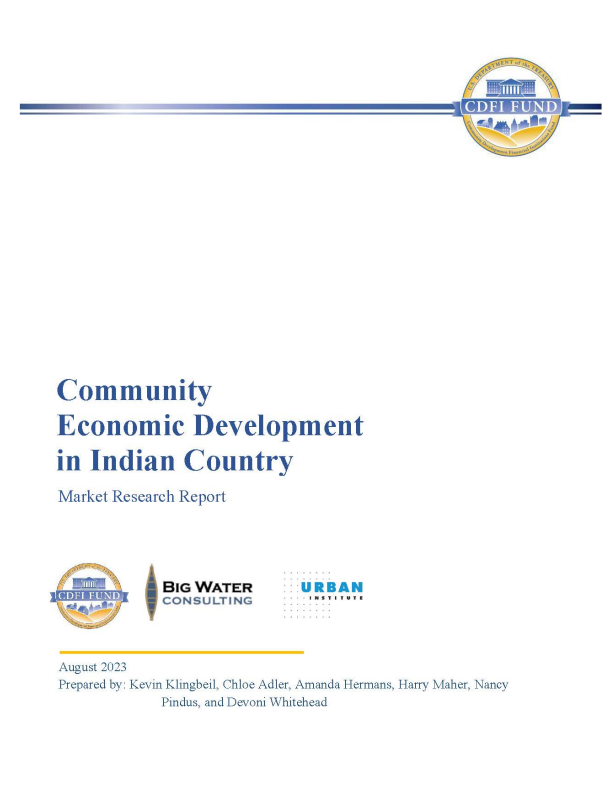
New Markets Tax Credit Native Initiative
Client: U.S. Department of the Treasury's Community Development Financial Institutions (CDFI Fund)
The CDFI Fund's New Markets Tax Credit (NMTC) Native Initiative set out to increase NMTC investments in Federal Indian Reservations, Off-Reservation Trust Lands, Hawaiian Home Lands and Alaska Native Village Statistical Areas, collectively referred to as NMTC Native Areas. The work performed under this initiative included a Market Research Report that summarizes peer reviewed and sponsored research on tribes that have implemented community and economic development strategies that were successful in attracting private investment; a Case Study Report that presents findings, best practices, and recommendations from past NMTC investments in NMTC Native Areas; and a Self-Assessment Guide is to help Native entities determine how they can best take advantage of the NMTC program.
Learn MoreData sovereignty and self-determination in action.
We empower tribes to fully realize tribal data sovereignty by helping them build their capacity to evaluate, collect, own and manage, analyze, and meaningfully use data as a foundation for informed decision-making and long-term strength. By creating a continuous feedback loop between data and planning, we help tribes and communities reduce costly surprises, challenge how data is defined and gathered, and ensure it becomes a powerful asset that reflects and advances their goals rather than a source of risk. Eliminating perceived risk by filling in data gaps also lowers the cost of capital supporting community development.

Big Water meets our clients wherever they are in this process, discusses where they would like to go, and helps develop a plan of action that gets them there.
Planning in Pieces
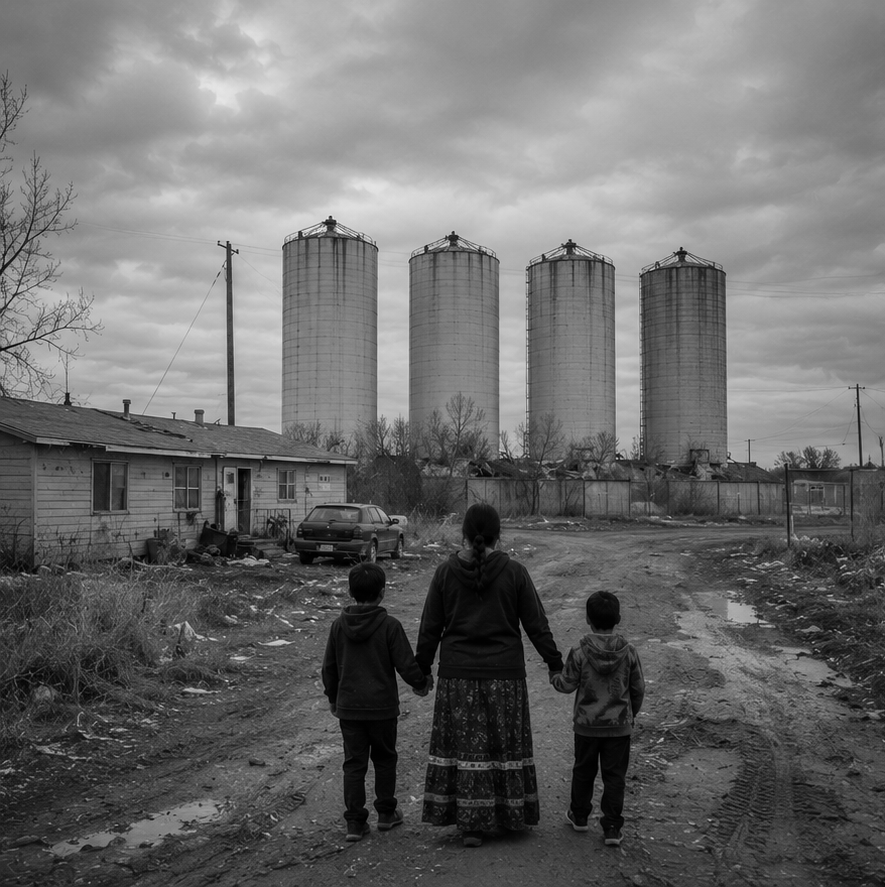
It is Friday afternoon. A grant deadline is approaching. You may still be looking for key data—but even when data exists, the deeper challenge is often that planning is happening in isolation.
For example, a housing plan may be developed without meaningful input from transit providers, broadband partners, behavioral health systems, or education programs. An education initiative may move forward without coordination with recreation programs, youth services like Boys & Girls Clubs, transportation systems, or digital access partners.
This creates plans that are internally reasonable—but externally incomplete. Communities end up designing solutions for housing, education, health, and infrastructure without the full network of supporting systems that determine whether those solutions will actually work.
The Result
- Programs operate independently, leading to duplicated or conflicting program design
- Community members feel the burden of limited resources used inefficiently
- Planning becomes reactive and constrained by silos
- Key partners are excluded and opportunities for coordination are missed
- Investments in infrastructure and community assets are disconnected
Planning in Alignment
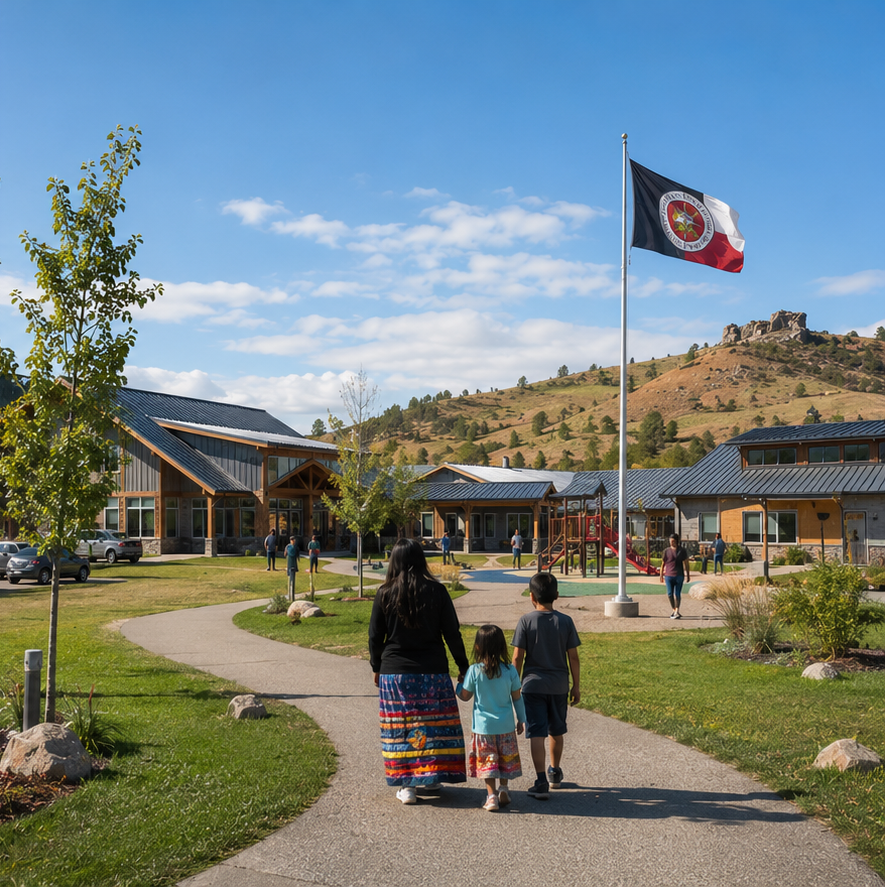
Imagine planning where housing, transportation, health, education, infrastructure, and community services are not separate conversations—but part of the same coordinated system.
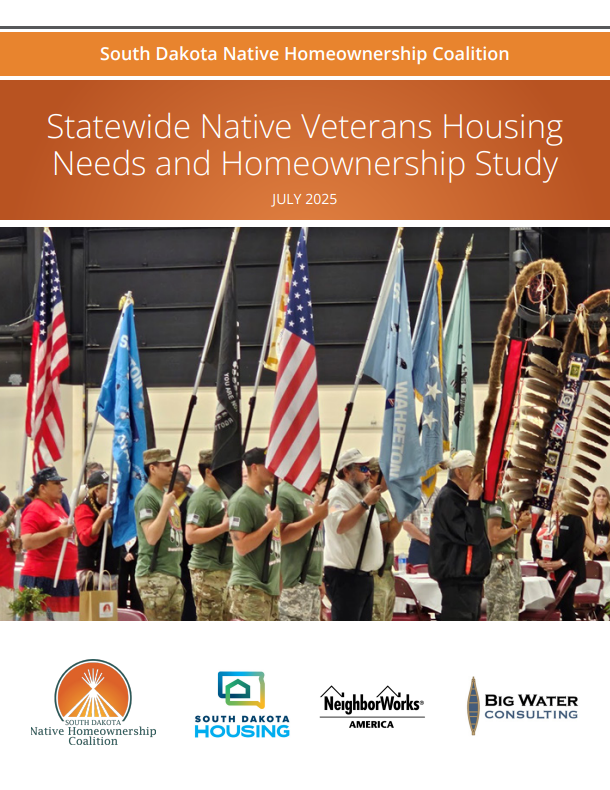
For example, if a community is developing a housing strategy to better serve veterans, transit providers and VA or veteran service partners are at the table from the beginning to ensure access to vital resources. Behavioral health and healthcare providers help design supportive services. Cultural and community-based programs align to ensure veterans and their families are supported holistically.
As collaboration strengthens, programmatic silos begin to collapse into a connected, adaptive network—where efforts are mutually reinforcing and better able to respond to evolving community needs and opportunities.
The Benefit
- Programs are designed with shared visibility and coordination
- Meaningfull engagement and inclusion of partners early on
- Improved service coordination for community members
- Programmatic and investment alignment rather than duplication, conflict and inefficiency
- Decisions reflect the full ecosystem of community needs and support long-term sustainability
How Planning Capacity Gets Built
Planning capacity is built intentionally through relationships, information, and practical systems that support long-term action. In this simplified model, leaders, programs, community members, and partners meet regularly, share what they are doing, identify where efforts overlap and opportunities to collaborate, and build a shared understanding of how each planned activity contributes to the larger whole.
Understand
We work with you to understand existing systems, strengths, and planning barriers.
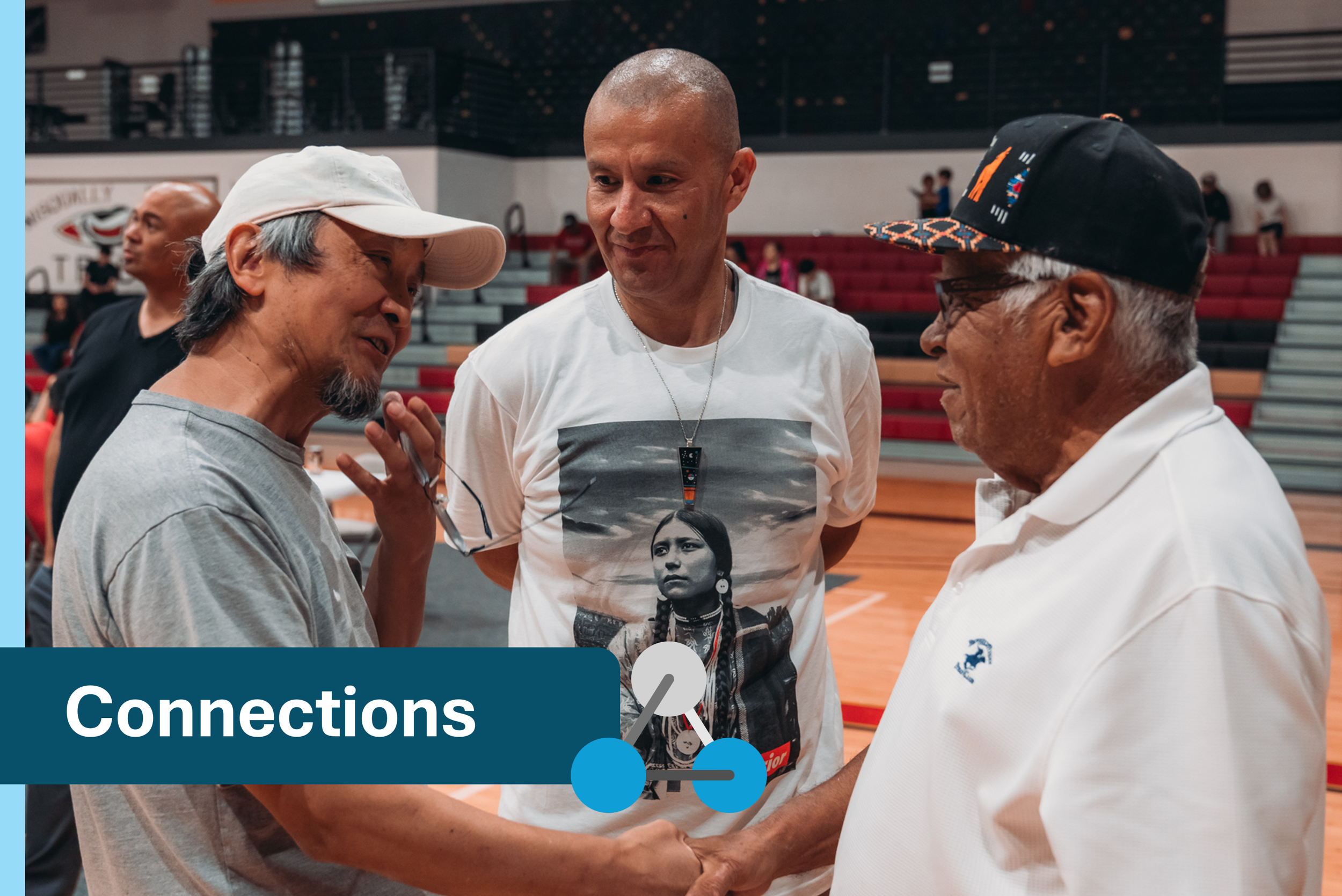
Connect
We identify the information, departments, and voices needed for effective planning.
Build
Together we create practical planning tools and systems that support coordination.
Implement
Planning should lead to action. We help move priorities into implementation.
Advancing data-driven comprehensive planning.
To satisfy their responsibility to serve as good stewards of their community’s lands, facilities, and infrastructure, tribes and Native community leaders must implement a planning function. This responsibility also extends to a growing number of programs that need to coordinate their activities and community members who rely on the network of programs to meet their ever-changing suite of needs and opportunities.
This planning function makes sense of the chaos, prevents conflicting and duplicative efforts and leverages opportunities to enhance efficiency through coordination and collaboration, while both protecting and maximizing the value of financial, cultural, natural and other resources.
Creating new opportunities through capacity-building, innovative research, and knowledge sharing.
Our core focus areas support tribes and their partners in building capacity not only for effective planning and carrying out the functions of tribal data sovereignty, but also for redefining flawed systems, fostering stronger collaboration with state and local governments, and elevating community-led economic development.
Integrated Planning
Housing & Community Economic Development
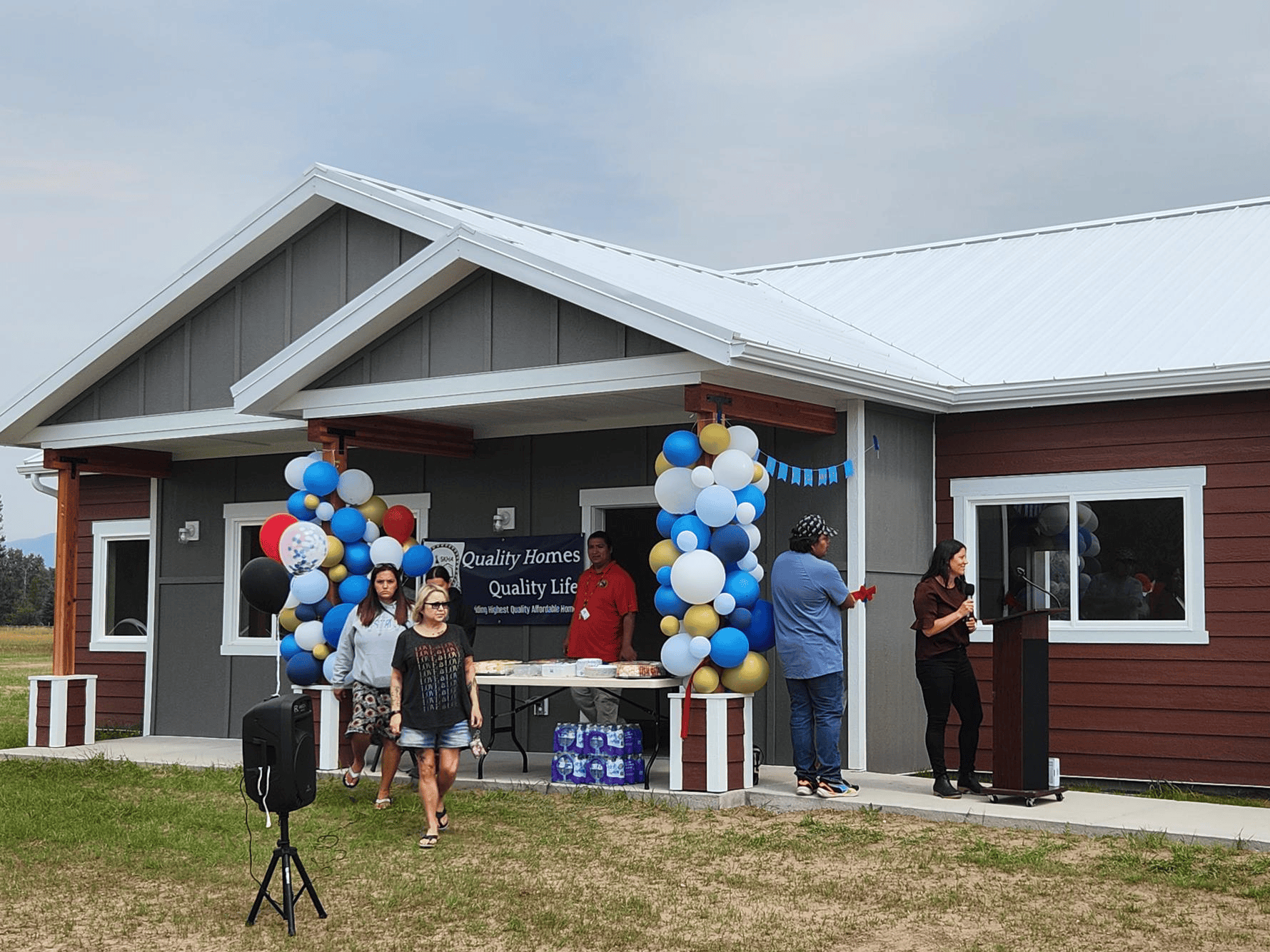
We combine housing and community economic development best practices to advance coordinated strategies that strengthen local economies and build equitable, resilient communities.
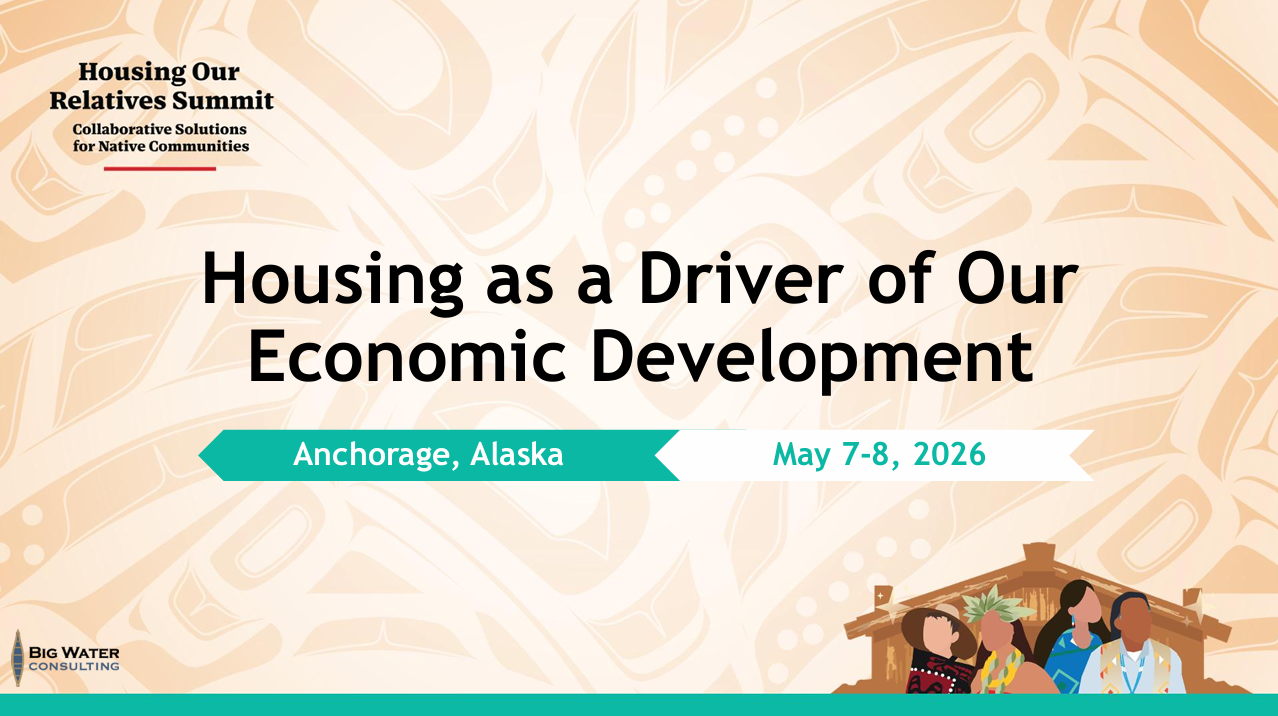
Housing as a Driver of Our Economic Development (Housing Our Relatives Summit, 2026)
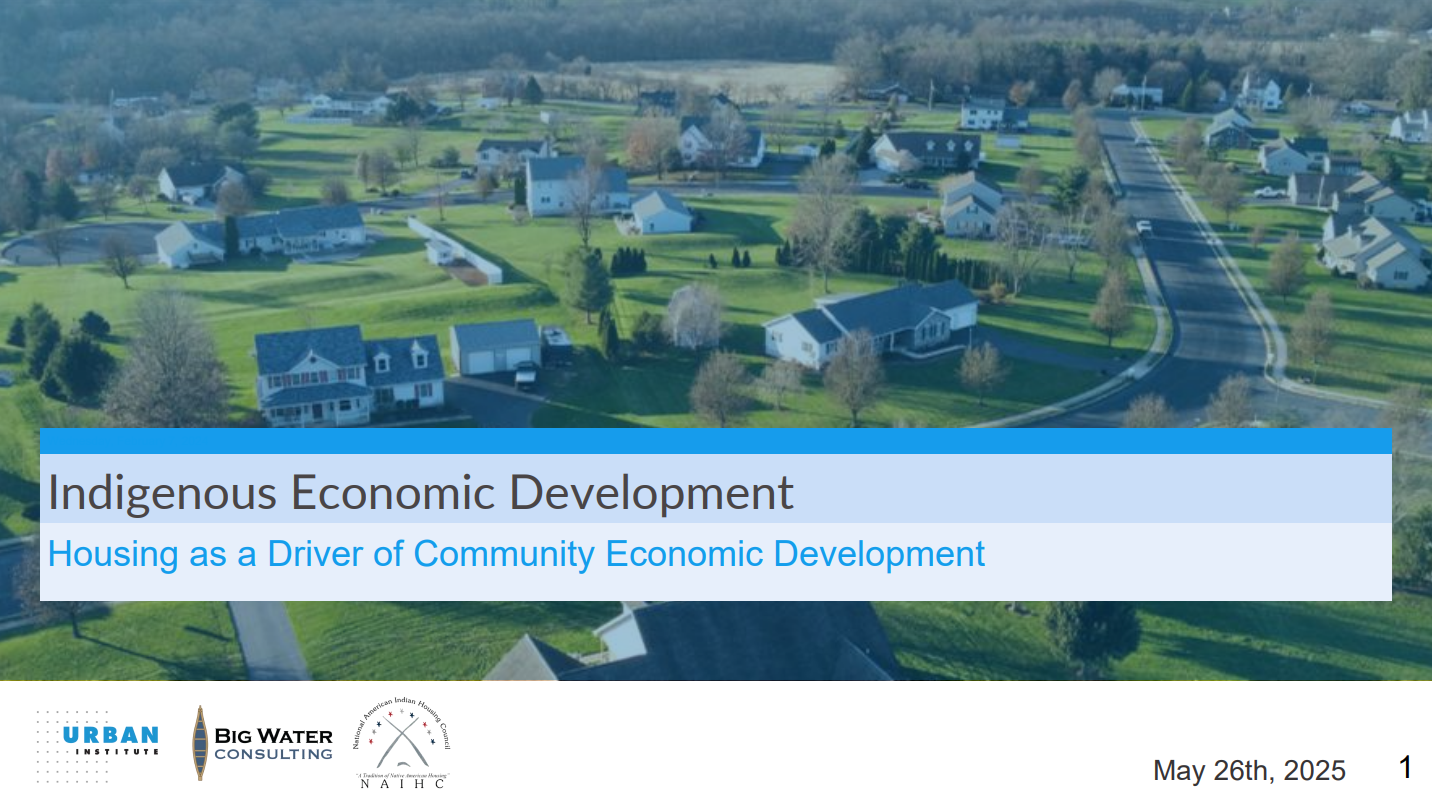
Housing as a Driver of Community Economic Development (NAIHC Annual Convention, 2025)
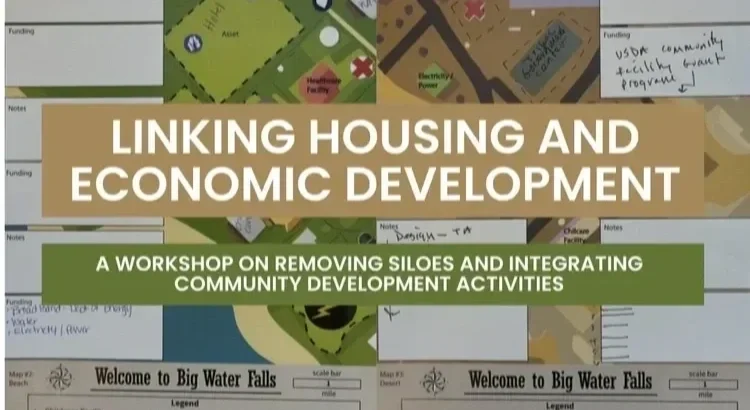
Linking Housing and Economic Development (NAIHC Pre-convention Workshop, 2024)
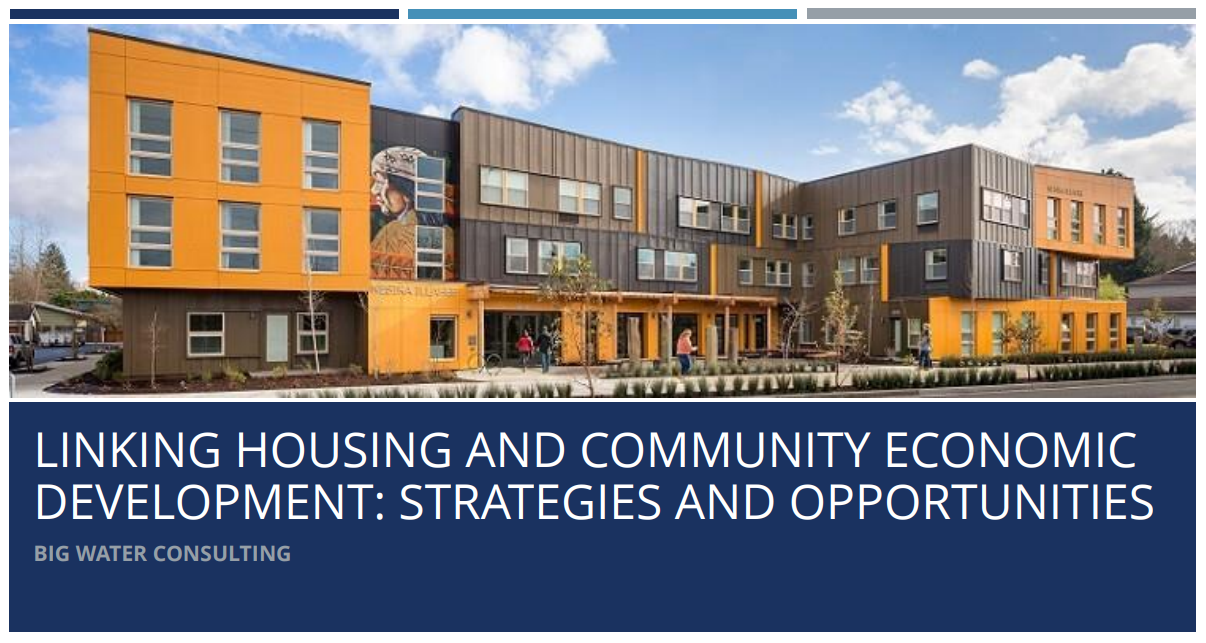
Linking Housing and Community Economic Development (NAIHC Annual Convention, 2023)

South Dakota Native Homeownership Coalition Appraisal Market Study
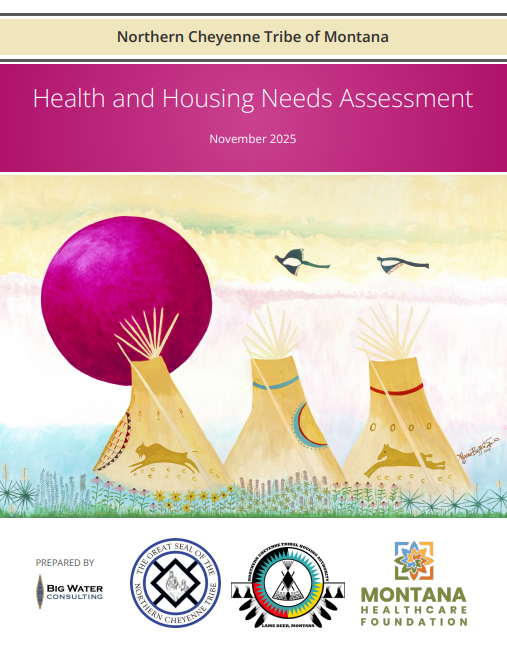
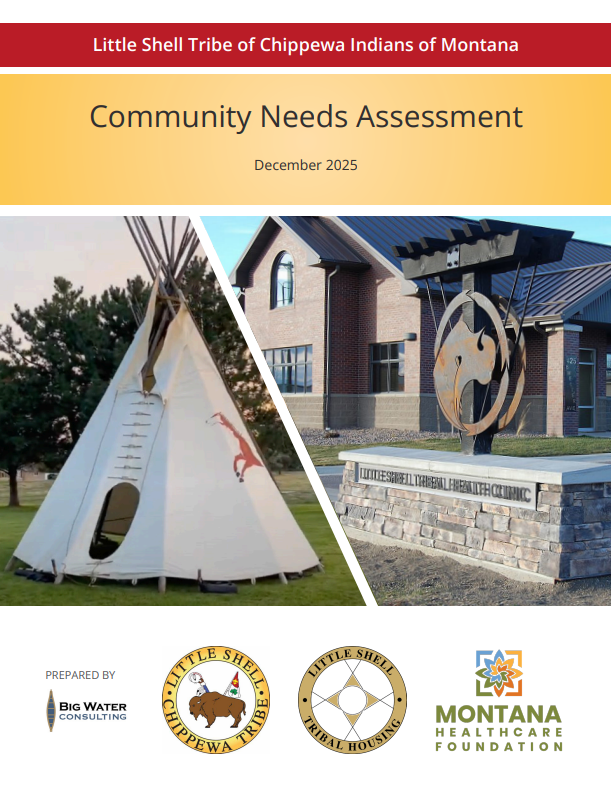
Health & Housing
We bring together housing and health research to address the interconnected drivers of well-being, improving outcomes through place-based approaches.
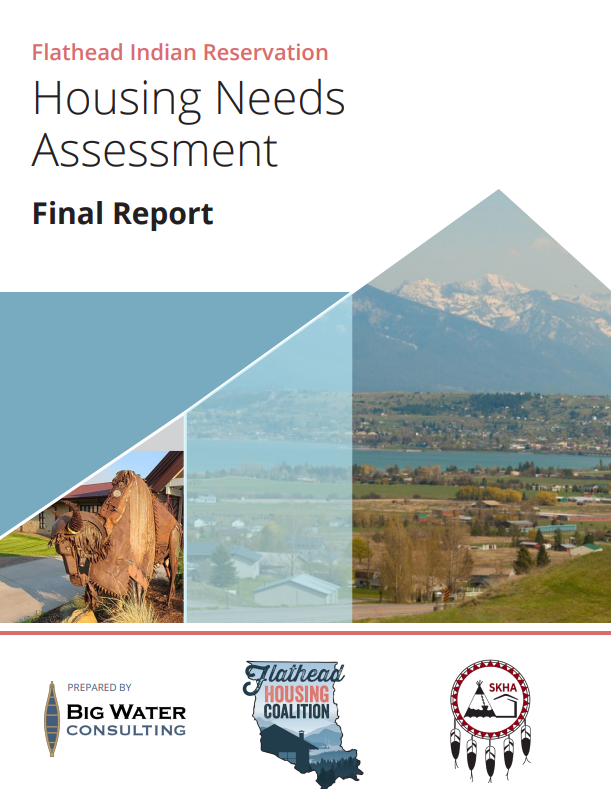
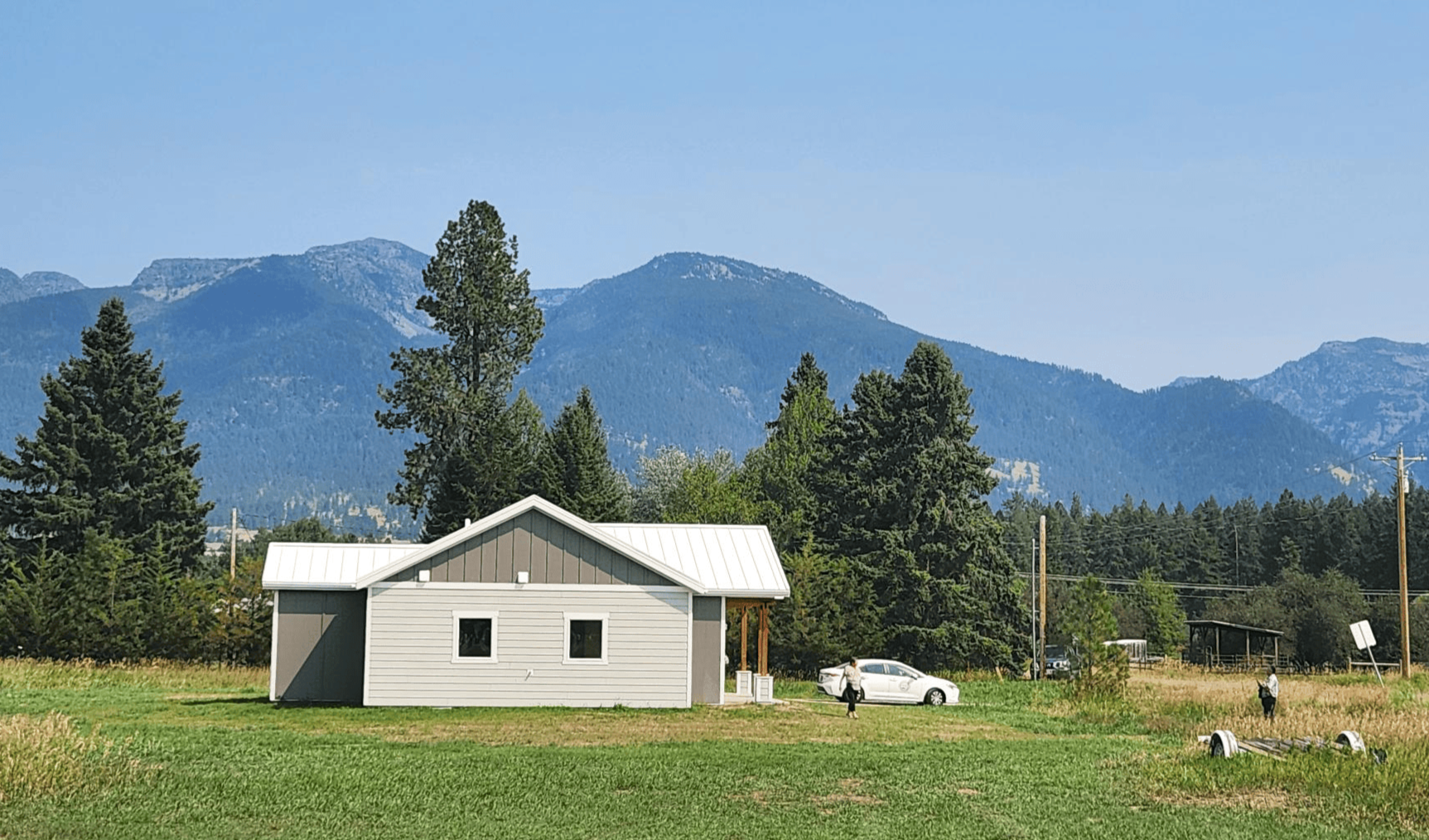
Addressing the Full Housing Spectrum
We align research and knowledge sharing across the full housing continuum to develop organized solutions spanning prevention, crisis response, long-term stability and intergenerational wealth building.
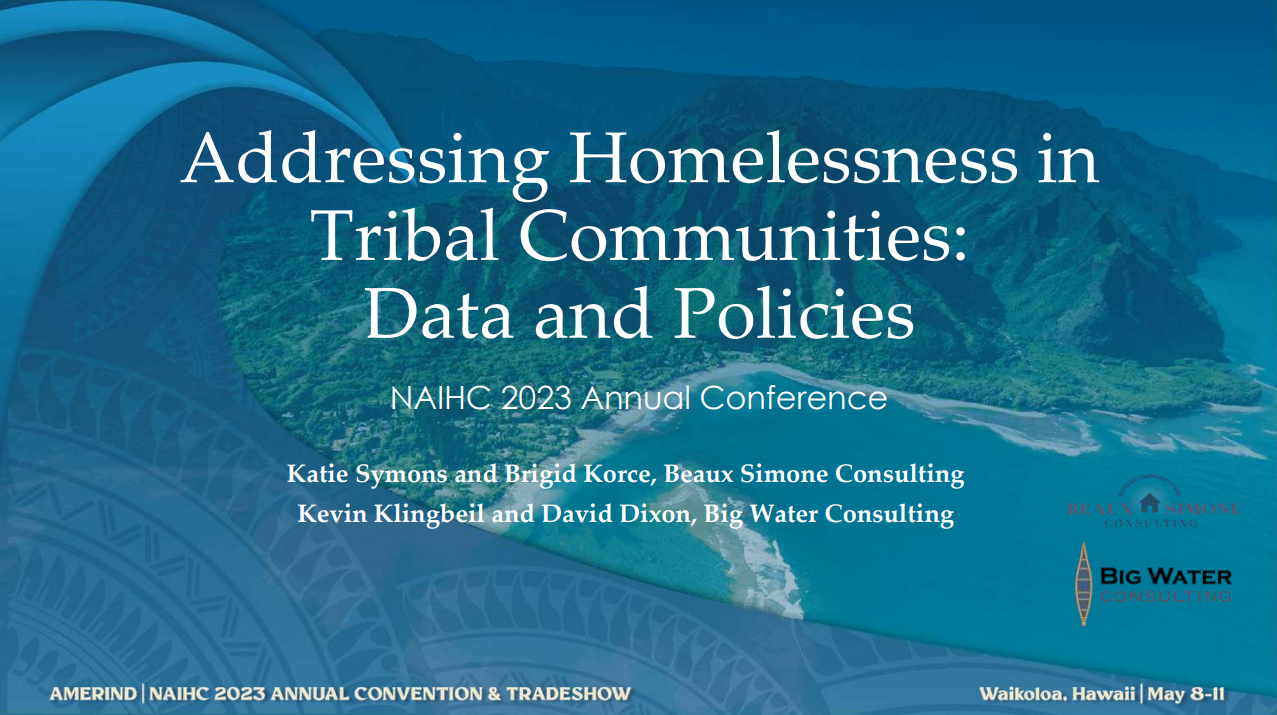
Addressing Homelessness in Tribal Communities: Data and Policies (NAIHC 2023)
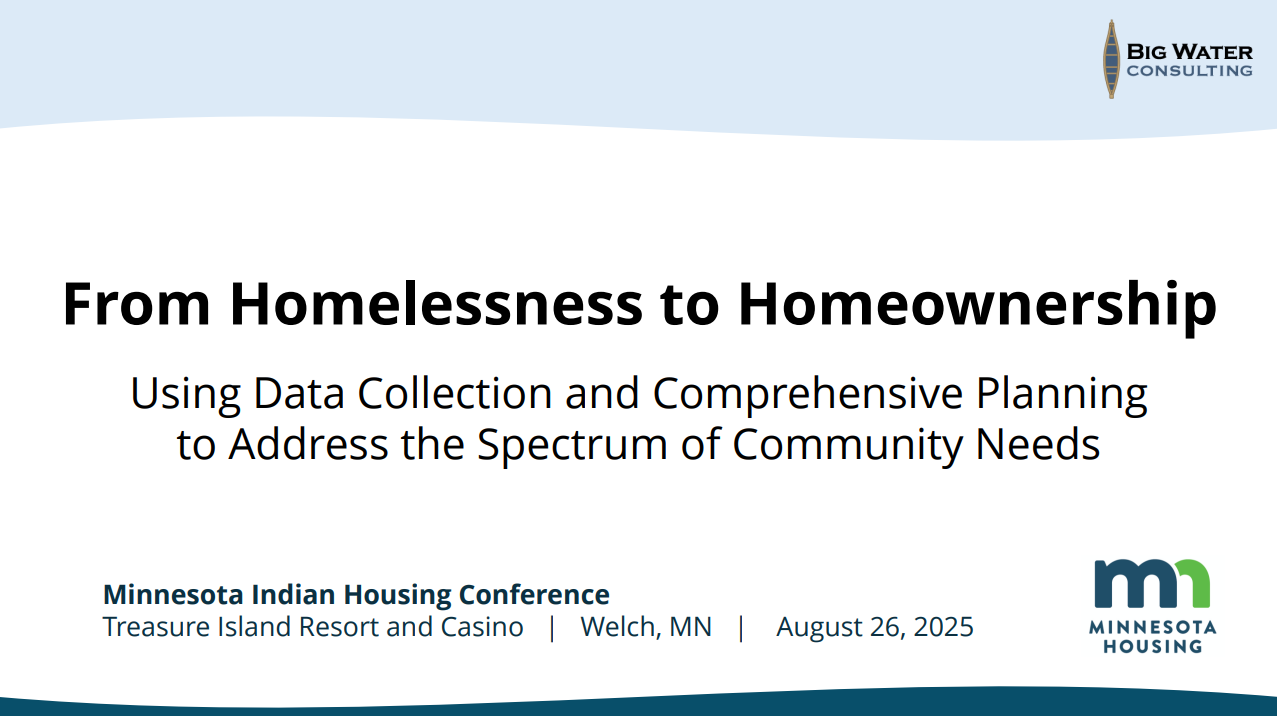
From Homelessness to Homeownership: Using Data and Planning to Address the Spectrum of Community Needs
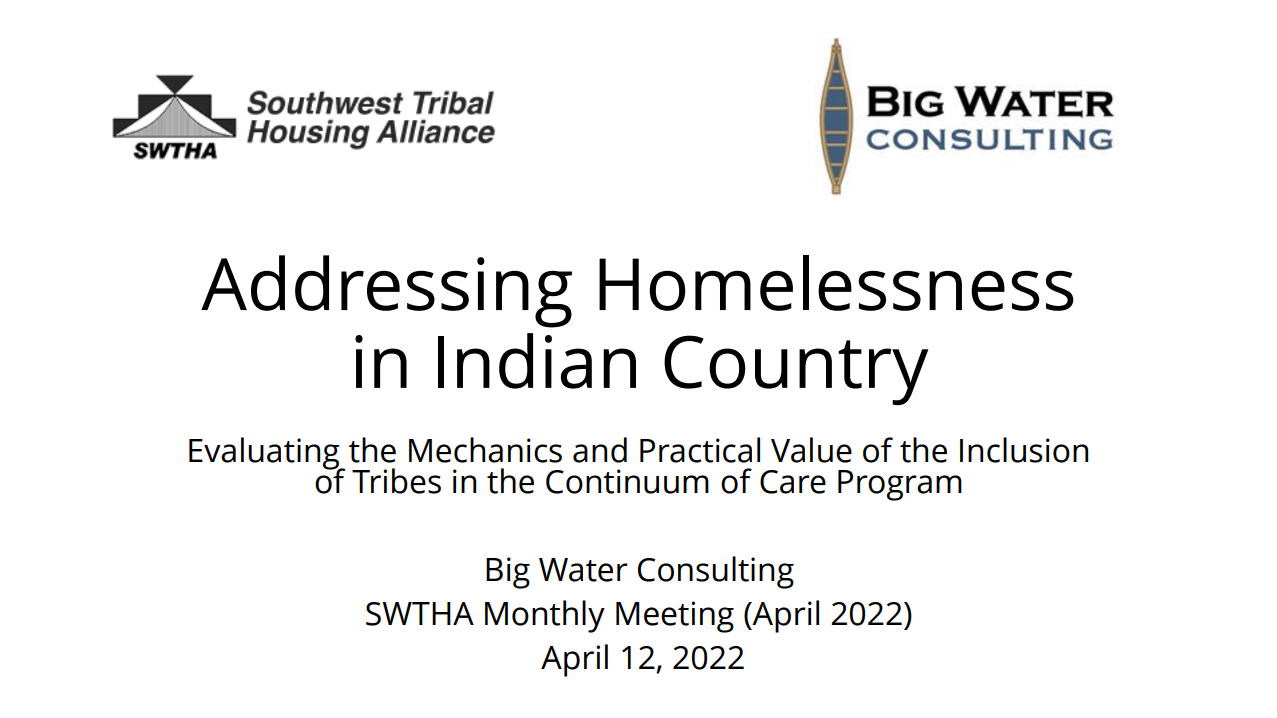
Addressing Homelessness in Indian Country: Evaluating the Continuum of Care Program
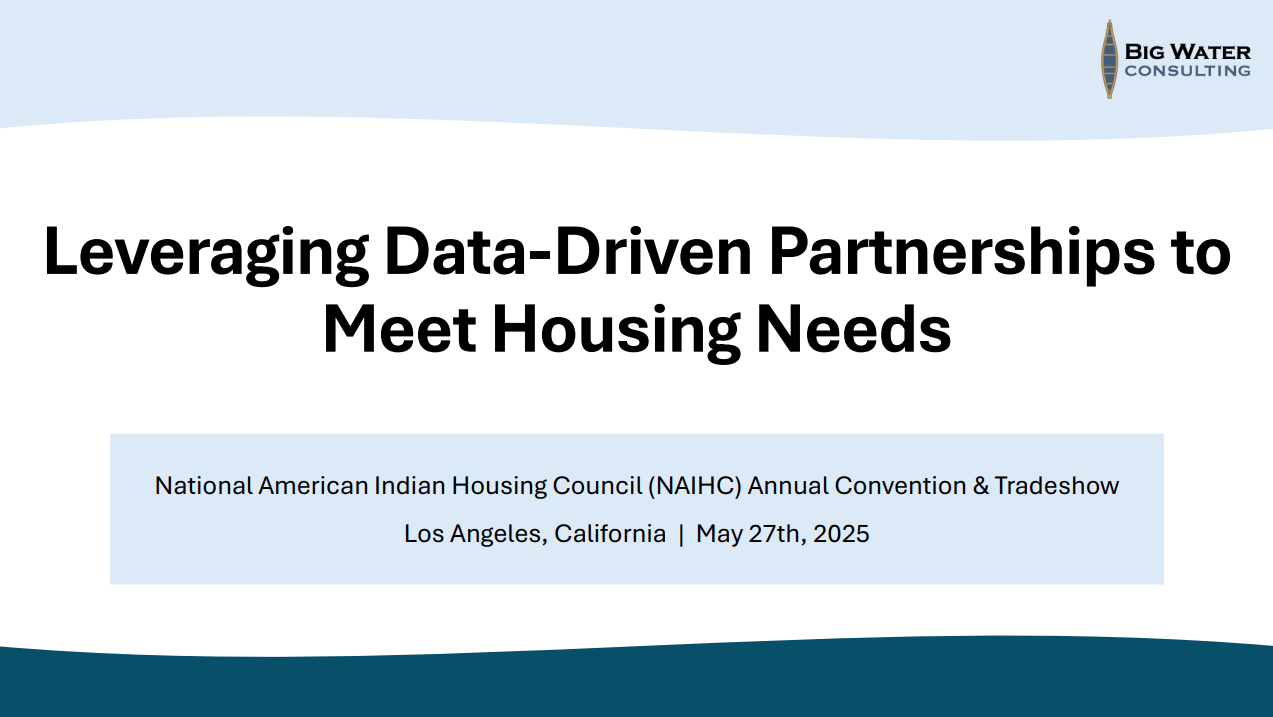
Leveraging Data-Driven Partnerships to Meet Housing Needs (NAIHC 2025)
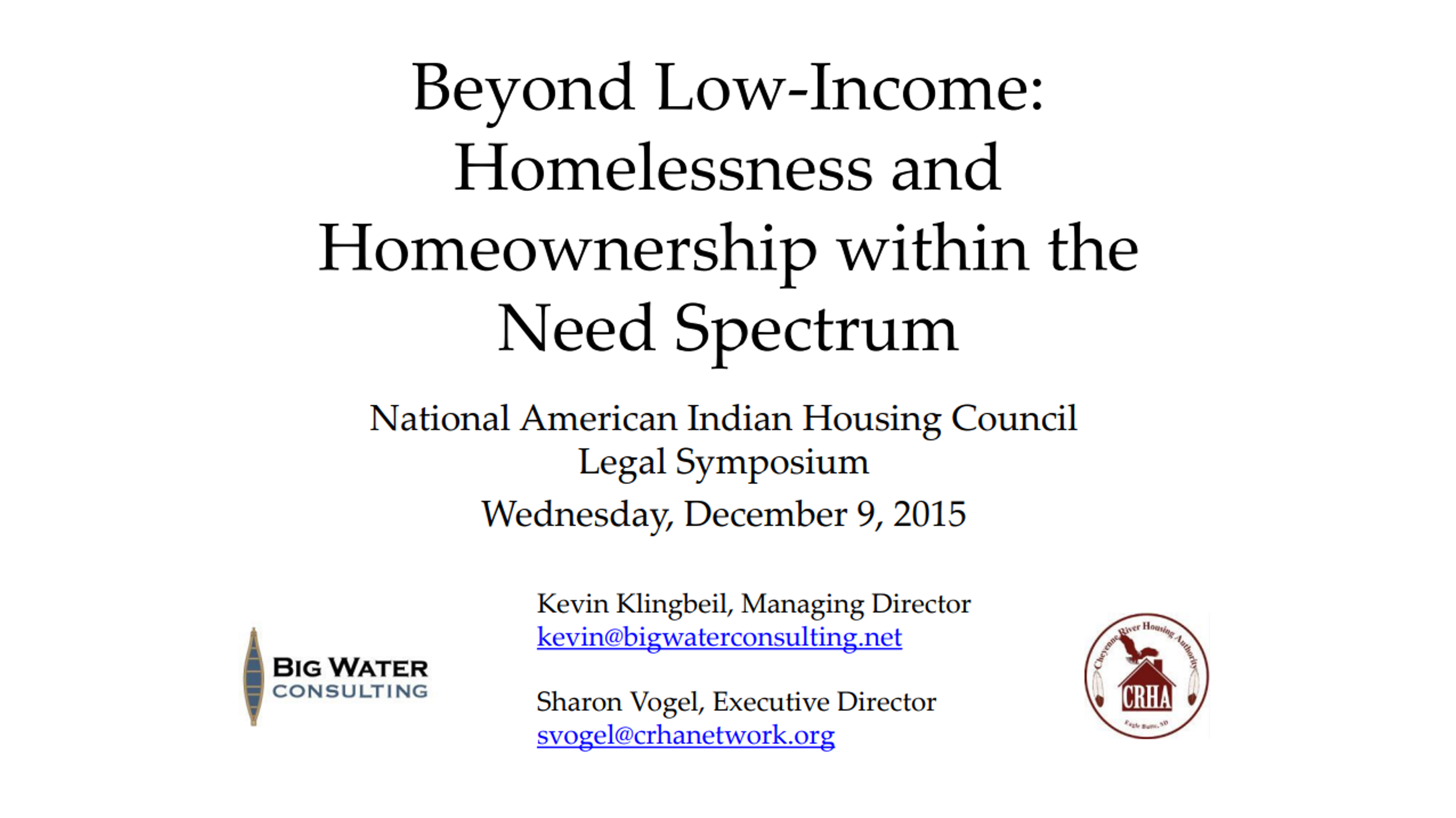
Beyond Low-Income: Homelessness and Homeownership within the Need Spectrum
A Roadmap for Developing Urban Native Housing (NAIHC 2023)
Evaluation, Training & Awareness
We help organizations measure impact, build capacity, and translate insights into action. Our research and evaluation work spans local, state, federal, and tribal programs and processes, providing rigorous, data-driven assessments of outcomes and opportunities.
Through training, we equip tribes and Native organizations with the knowledge to better understand programs and make informed decisions about whether and how to engage. We integrate engagement and outreach across our work to elevate awareness of the unique characteristics, conditions, challenges, and opportunities within Native communities, while ensuring access to information and identifying areas for advocacy and change. Our work not only supports effective programs, but also helps lay the foundation for future opportunities and lasting, systemic impact.
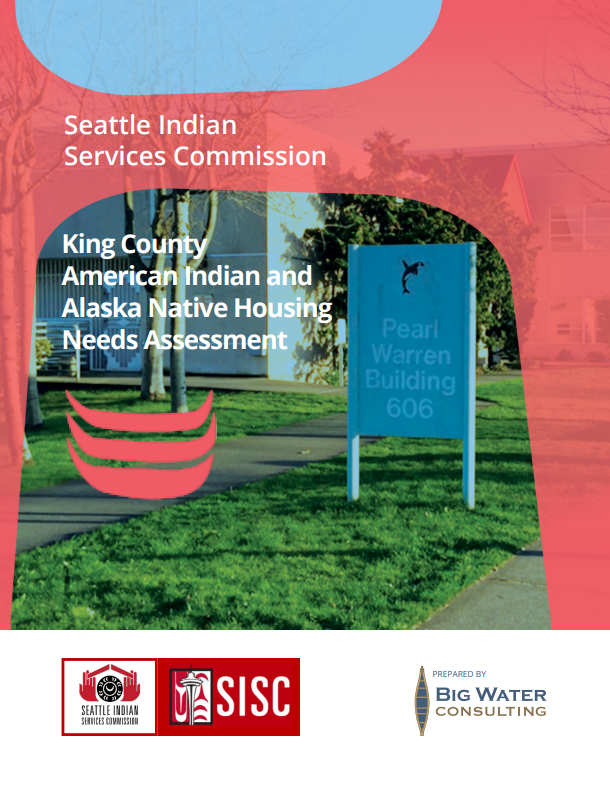
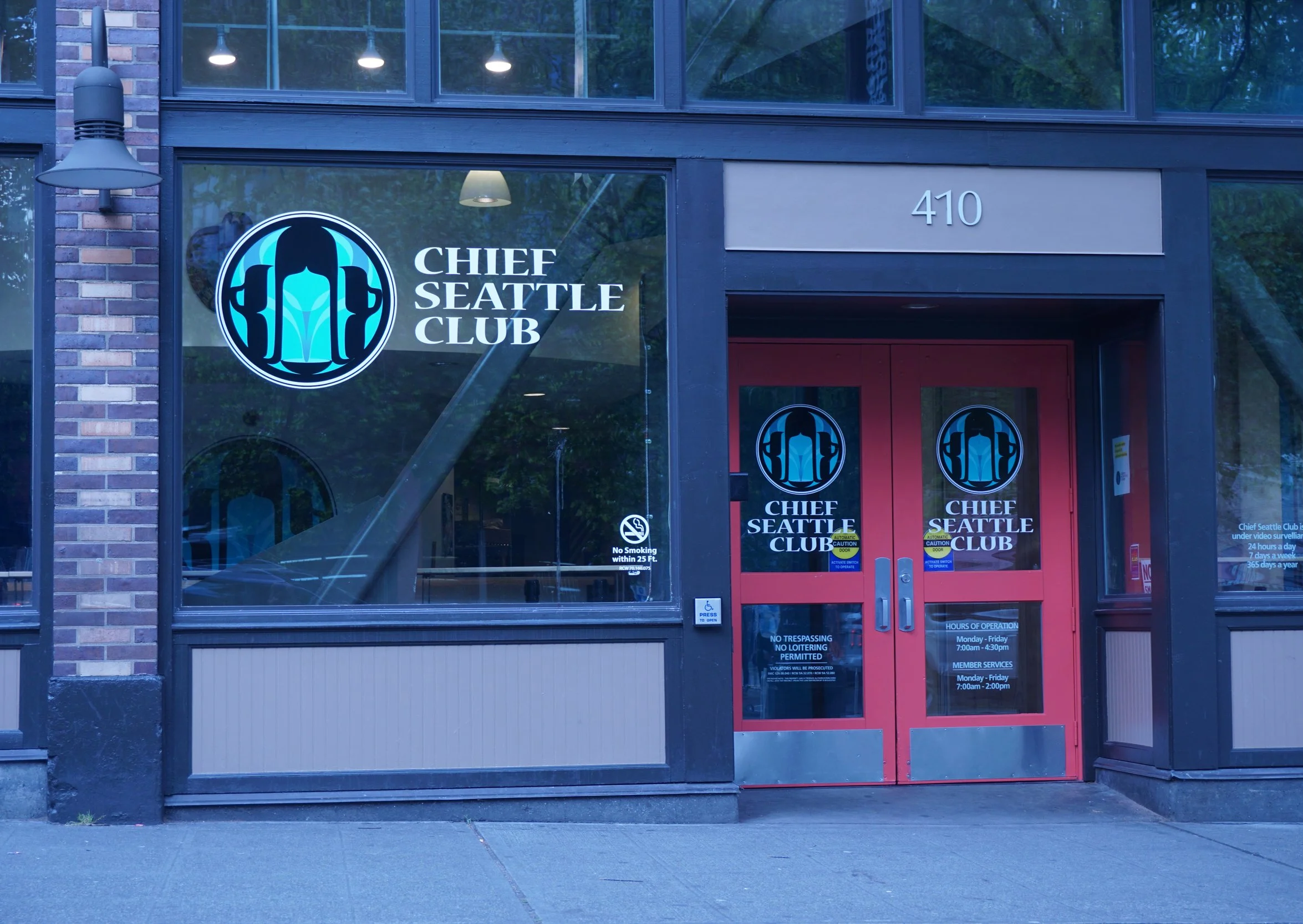
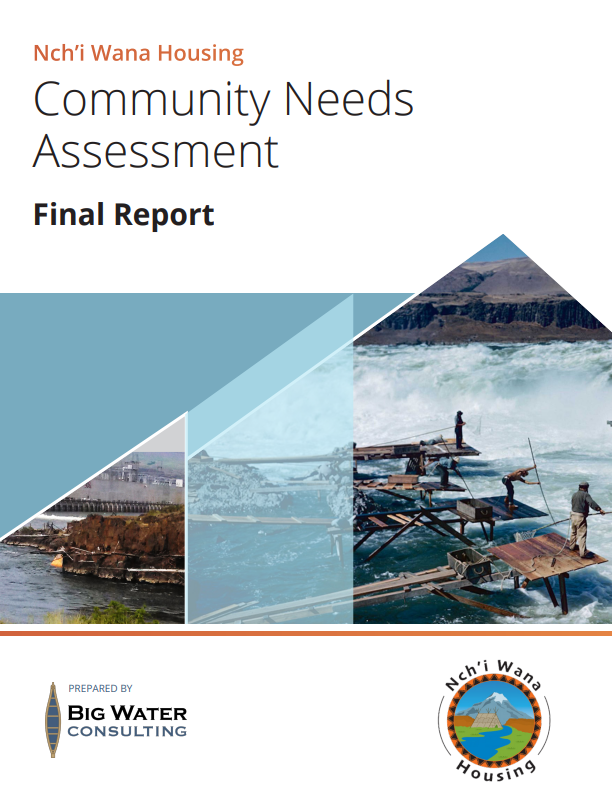
King County American Indian and Alaska Native Housing Needs Assessment
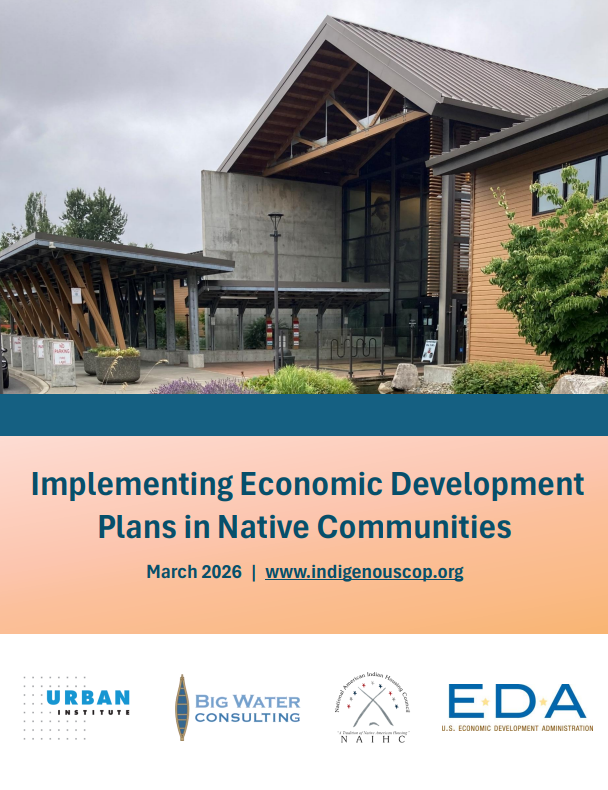
Implementing Economic Development Plans in Native Communities
Housing Needs Assessments and Effective Community Engagement (NAIHC Training)
New Markets Tax Credit Investments in Native Areas: Selected Case Studies and Best Practices
Assessment of the Housing Needs of American Indians, Alaska Natives and Native Hawaiians in Washington State
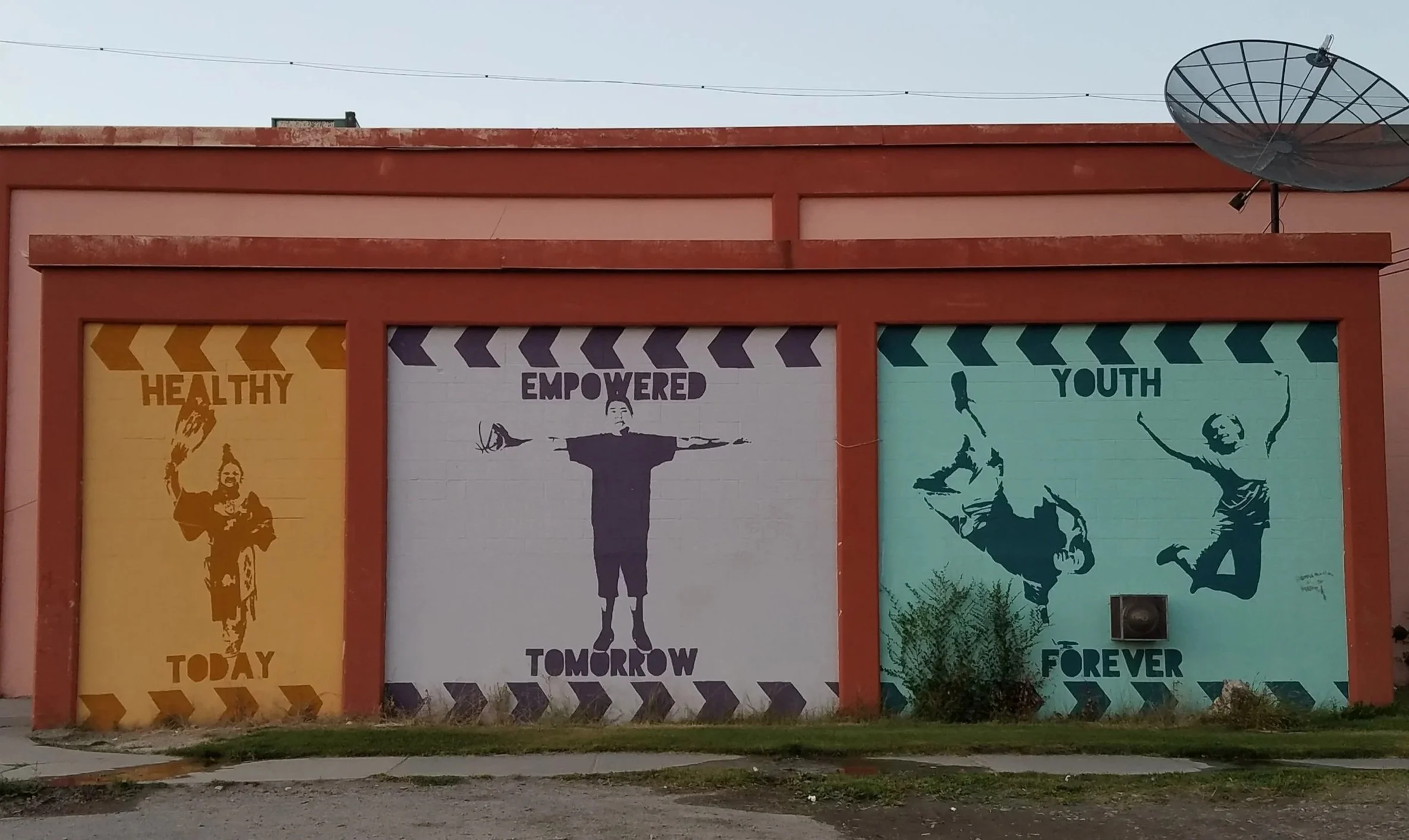
Facilitating Partnerships & Communities of Practice
We connect tribes, organizations, and stakeholders through collaborative partnerships and communities of practice. By fostering shared learning environments, we support peer-to-peer exchange, strengthen relationships, and promote the co-creation of solutions that are grounded in community priorities and lived experience.
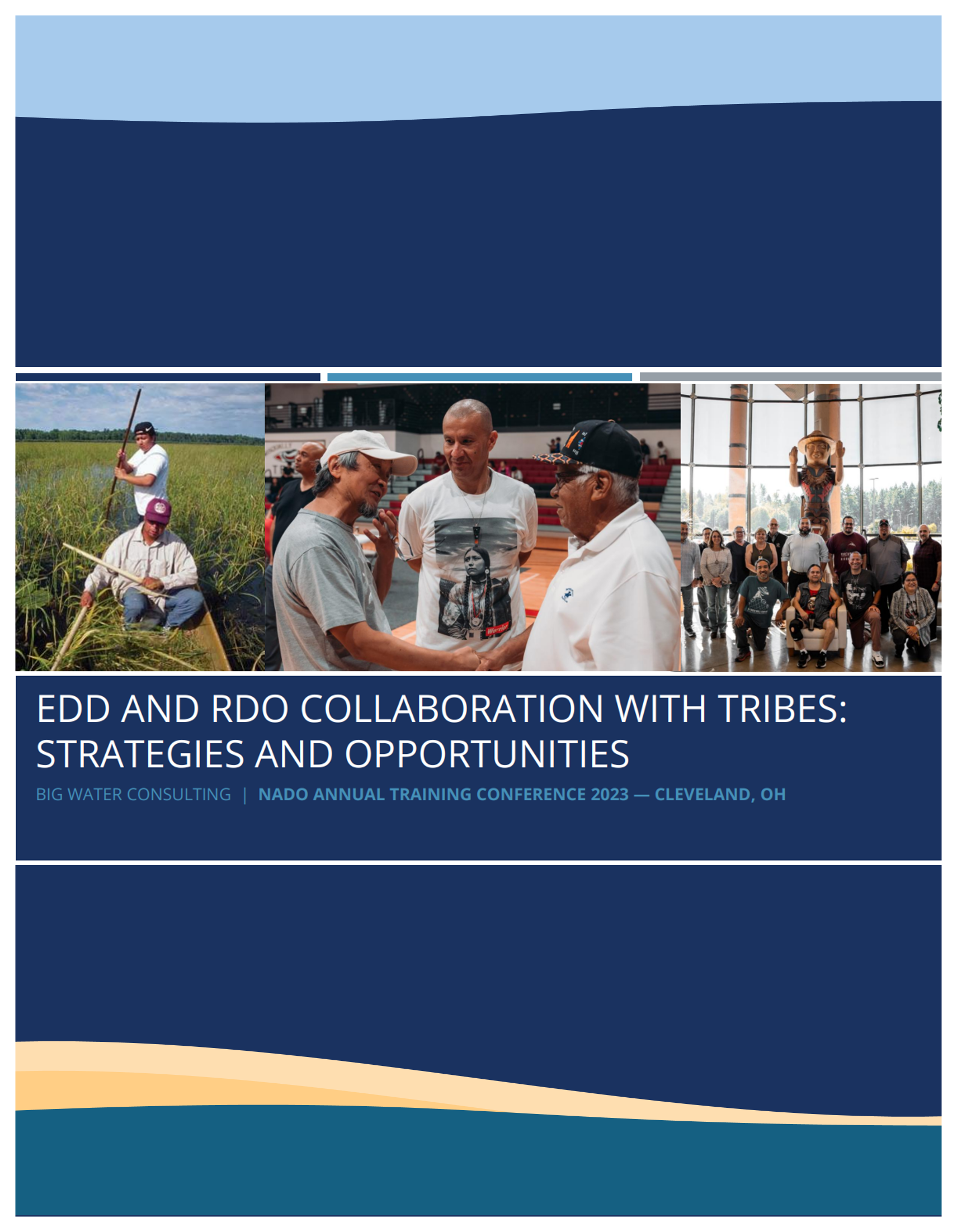

Building stronger Native economies.
The Indigenous Economic Development Community of Practice is a knowledge sharing platform for tribes and supporting experts to network, collaborate and learn from one another about how to plan for comprehensive community economic development.

-
![]()
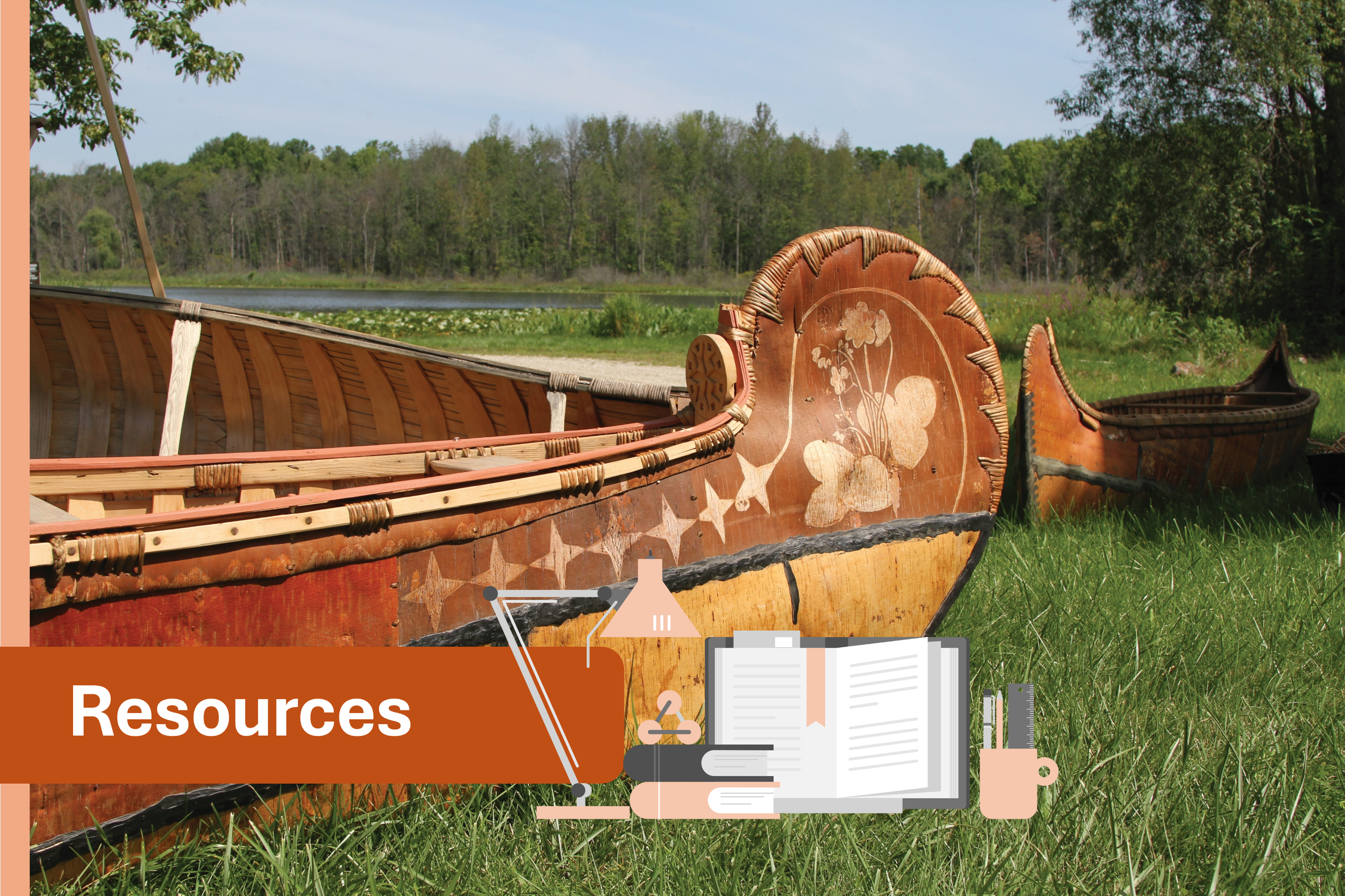
Toolkits, research, and case studies.
-
![]()
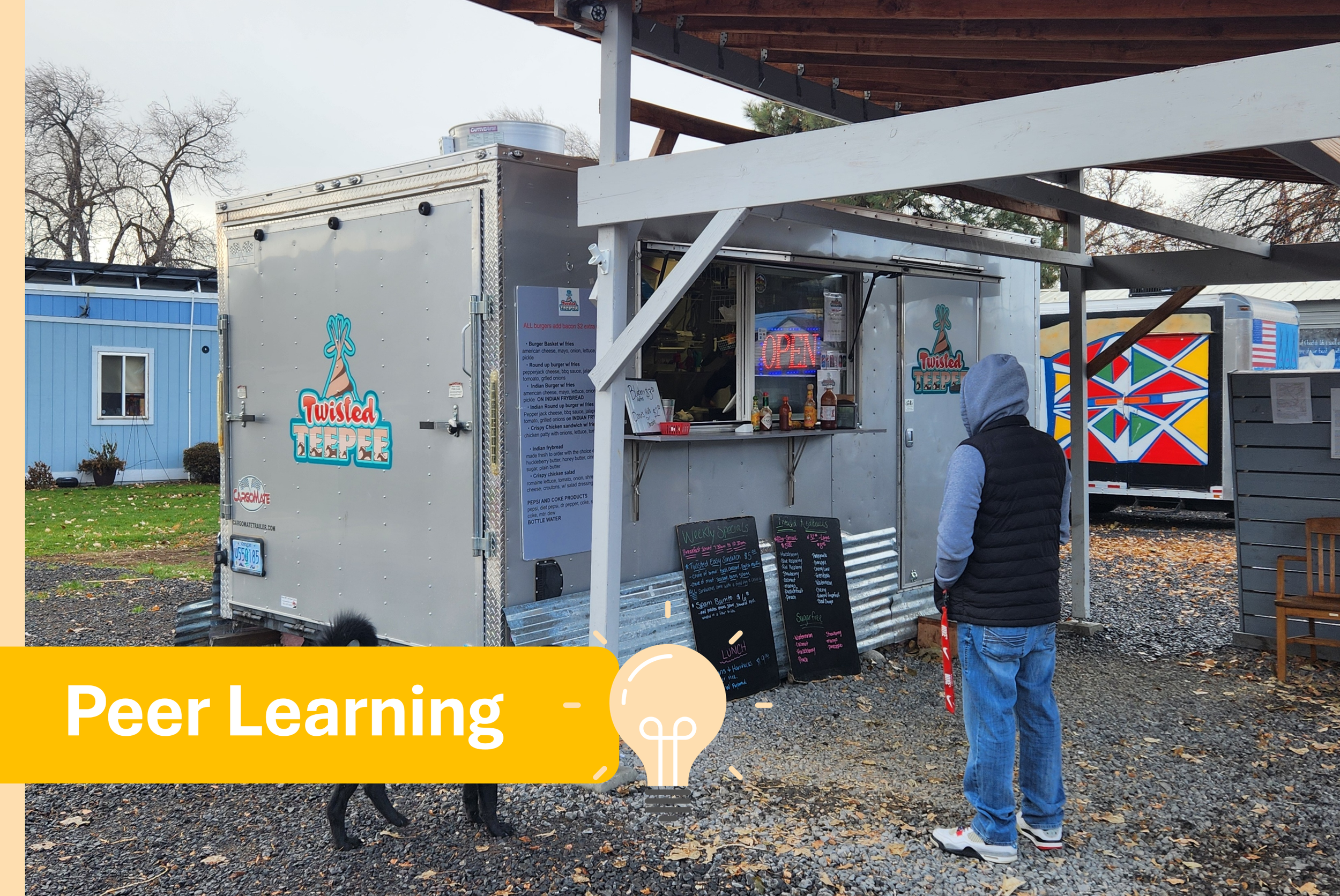
Ideas and lessons from across Indian Country.
-
![]()
Experts, collaborators, and new partnerships.
-
![]()
Capacity building activities, workshops, and deep-dives.
Our Partners