
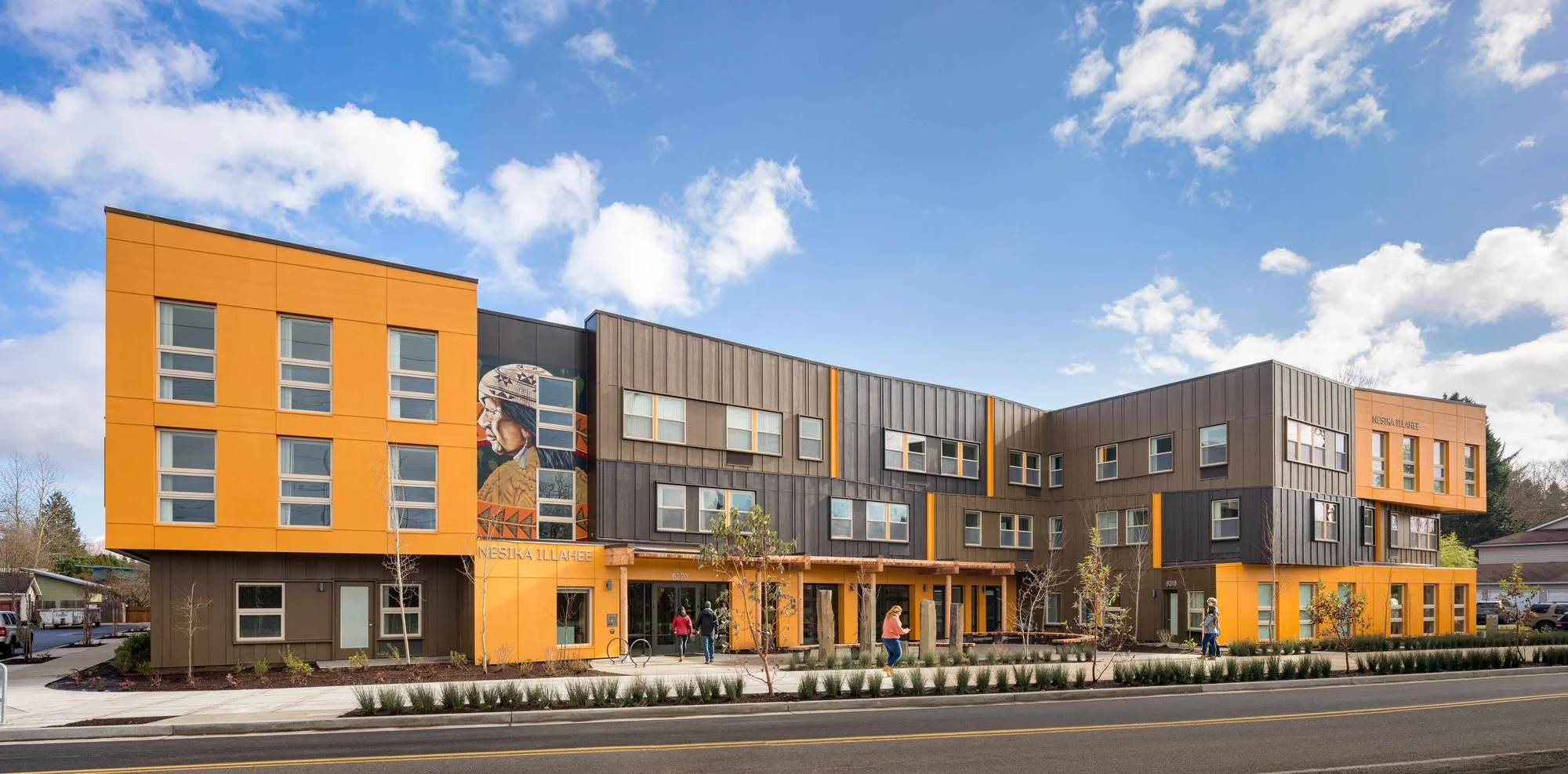
Urban Native Housing
Supporting culturally grounded housing solutions for Native individuals and families living in urban communities.
Welcome
This resource hub on urban Native housing highlights the opportunities, challenges, partnerships, and development models shaping Native housing initiatives in urban areas across the United States. It is designed for tribes, Native nonprofit organizations, housing practitioners, planners, funders, and public agencies seeking to better understand and support housing development and management for Native individuals and families living in urban areas and other communities outside of their traditional lands and communities.
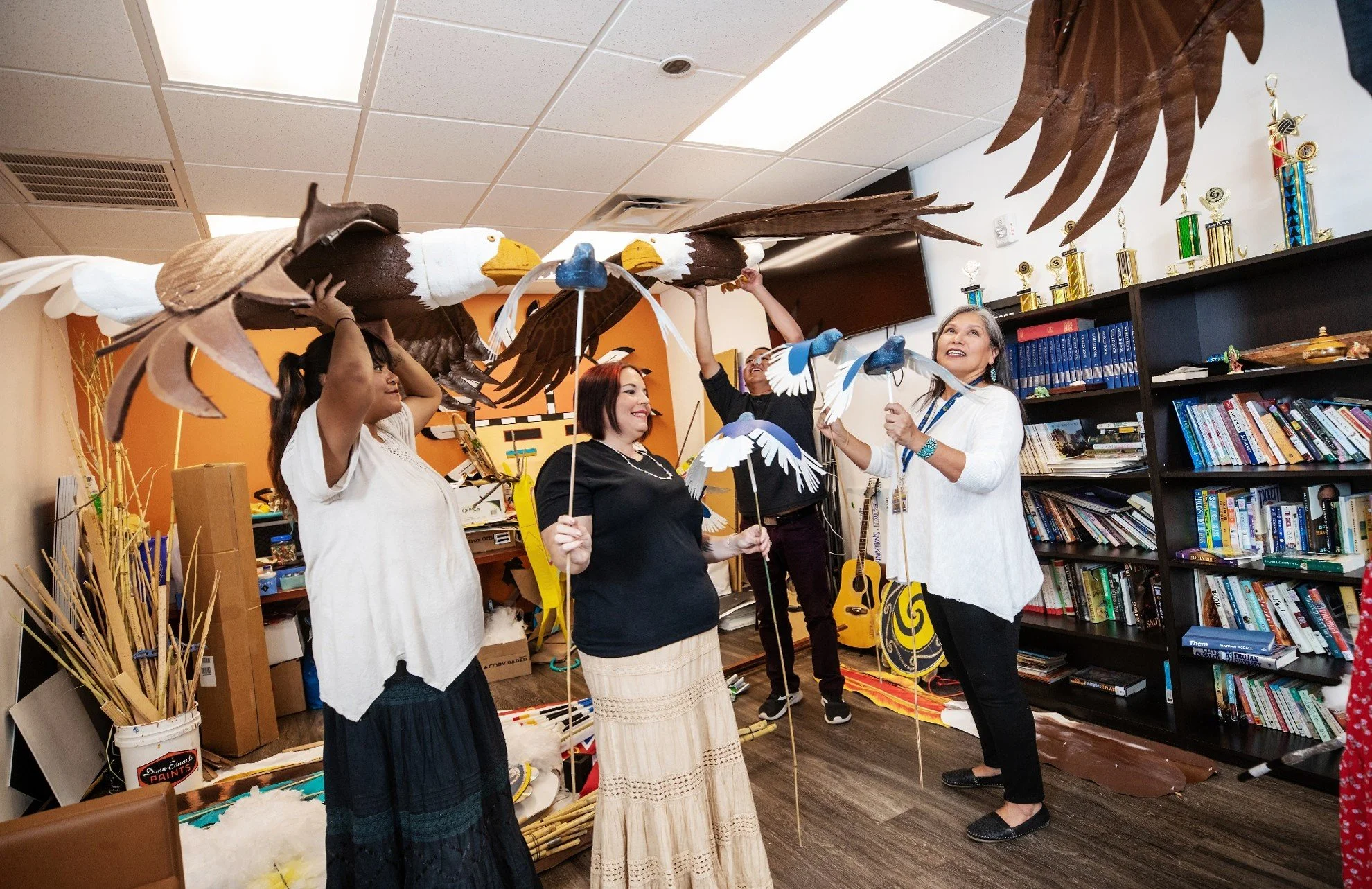
Key Facts
Approximately 70% of the American Indian and Alaska Native population now lives in urban areas or outside traditional tribal communities. Urban Native residents often face unique barriers to affordable housing, culturally responsive services, and access to tribal resources.
Approx. 70% of self-identified AIAN population in U.S. is in urban areas
Native homelessness is frequently undercounted
Urban Native households often face severe housing cost burdens
Culturally grounded housing and services improve stability and wellbeing
Core Challenges
The examples below summarize some of the core challenges facing urban Native communities and supporting organizations.

Limited access to tribal programs and services
Many urban Native individuals are not enrolled tribal members or are geographically disconnected from tribal services.
Cultural disconnection
Lack of inclusive spaces for Native individuals and families living in urban settings to gather
Communal economies are not as robust in urban areas
Funding restrictions
Federal tribal housing funding not generally available to Native nonprofit organizations without a tribal partner
Many Native nonprofit organizations don’t have experienced housing development staff or balance sheets
Land development barriers
Suitable land in urban areas is
scarce and very expensive, and neighbors often push back against
low-income or supportive housing.
Opportunities and Innovations
Urban Native housing developments are more than affordable housing projects. Many are designed as culturally grounded community spaces that integrate health, healing, identity, and long-term stability.
Culturally Responsive Design
Examples:
Gathering spaces
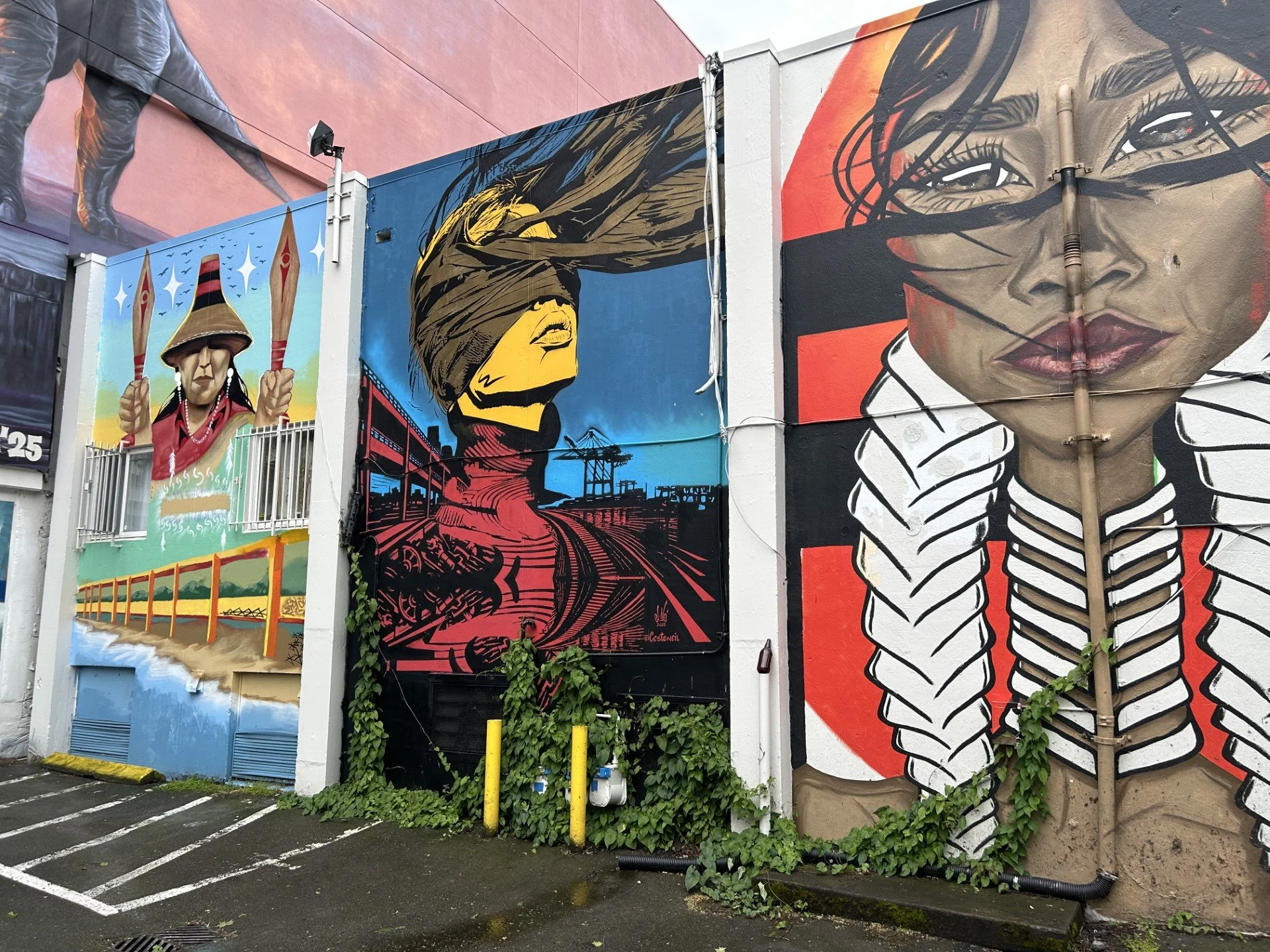
Native art and murals
Community kitchens
Traditional healing spaces
Cultural programming
Integrated Services
Many developments combine housing with:
Behavioral health services
Primary healthcare
Recovery support
Workforce development
Youth and elder programming
Community Partnerships
Successful projects often involve:
Local tribes
Urban Native nonprofits
Housing authorities
Public agencies
Health organizations
Philanthropic partners
Tribal Preference and IHBG Partnerships
Explain how partnerships with tribes using Indian Housing Block Grant (IHBG) funding can support Native housing preference models in urban developments.
Urban Native Housing Projects Directory
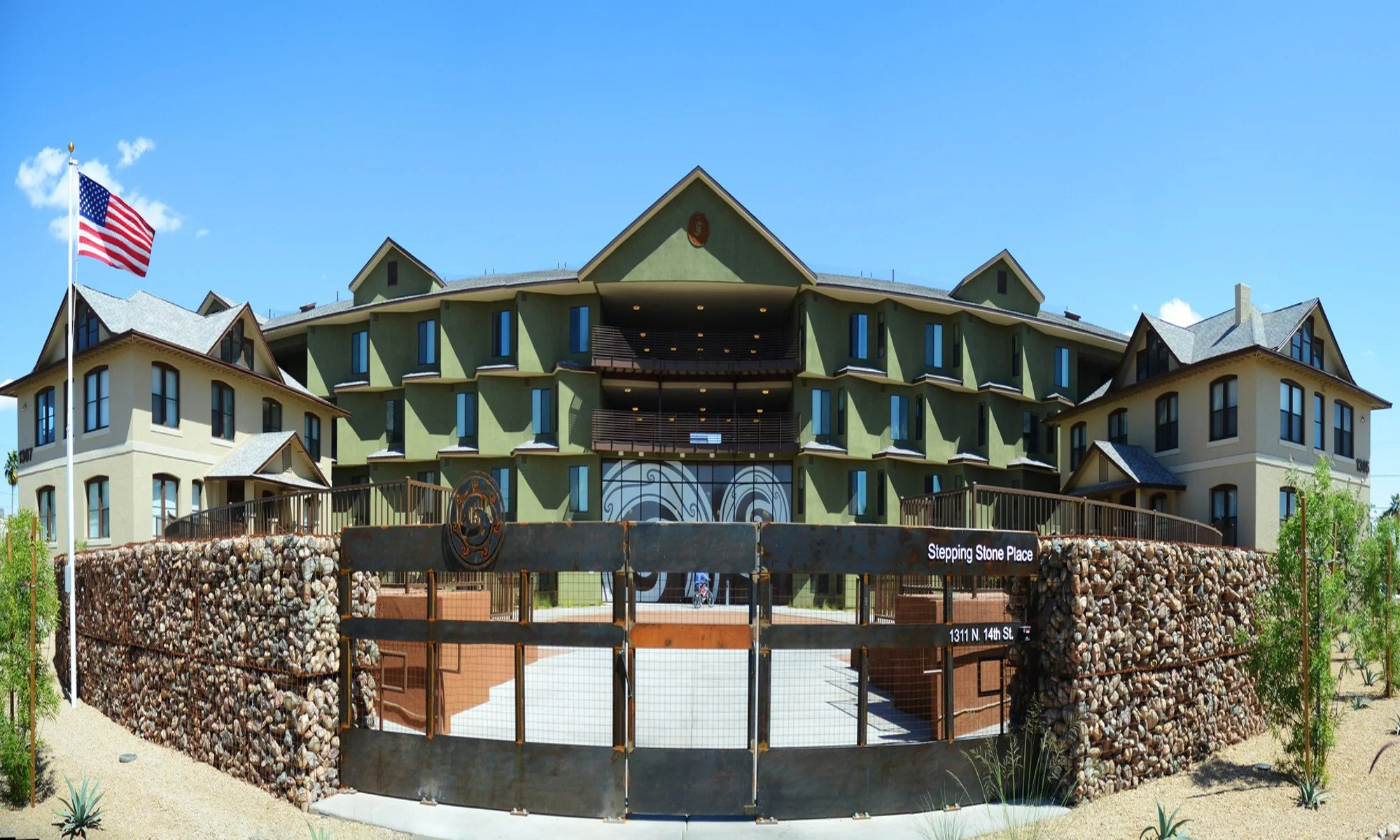
The following projects demonstrate a range of approaches to urban Native housing development across the country.
Urban Native Housing Development Roadmap
Developing urban Native housing is a long-term process requiring vision, partnerships, funding alignment, and community trust.
Phase 3 — Funding and Site Acquisition
Secure land or development opportunities
Layer funding sources
Pursue LIHTC and local funding
Urban Native Housing Resources Library
Developing urban Native housing is relationship-driven, and projects often take multiple years to complete. Use the resources below to kick-start your tribal community’s journey developing inclusive urban Native housing.
Funding Resources
Technical Resources
Housing development guides
Tribal partnership frameworks
Sample governance structures
Community engagement resources
The initial box for each resource type expands when selected, displaying the topics related to that type of resource for users to choose from.
Users select the type of resource they would like to use/learn about, and the content in this space changes to reflect their choice.
Funding resources: Focus is on LIHTC, health services-related revenue, contributions from tribes in area, and local and state funding sources
Policy and Research
Urban Native Organizations
Best Practices
Key Takeaways
Urban Native housing development is not only about creating affordable units — it is about strengthening Native communities, restoring cultural connection, and creating spaces where Native individuals and families can thrive.
Relationships are foundational
Housing should support cultural identity and healing
Partnerships multiply capacity
Resident services are essential
Flexible funding is critical
Native-led development produces stronger outcomes