Advancing data-driven comprehensive planning.
To satisfy their responsibility to serve as good stewards of their community’s lands, facilities, and infrastructure, tribes and Native community leaders must implement a planning function. This responsibility also extends to a growing number of programs that need to coordinate their activities and community members who rely on the network of programs to meet their ever-changing suite of needs and opportunities.
This planning function makes sense of the chaos, prevents conflicting and duplicative efforts and leverages opportunities to enhance efficiency through coordination and collaboration, while both protecting and maximizing the value of financial, cultural, natural and other resources.
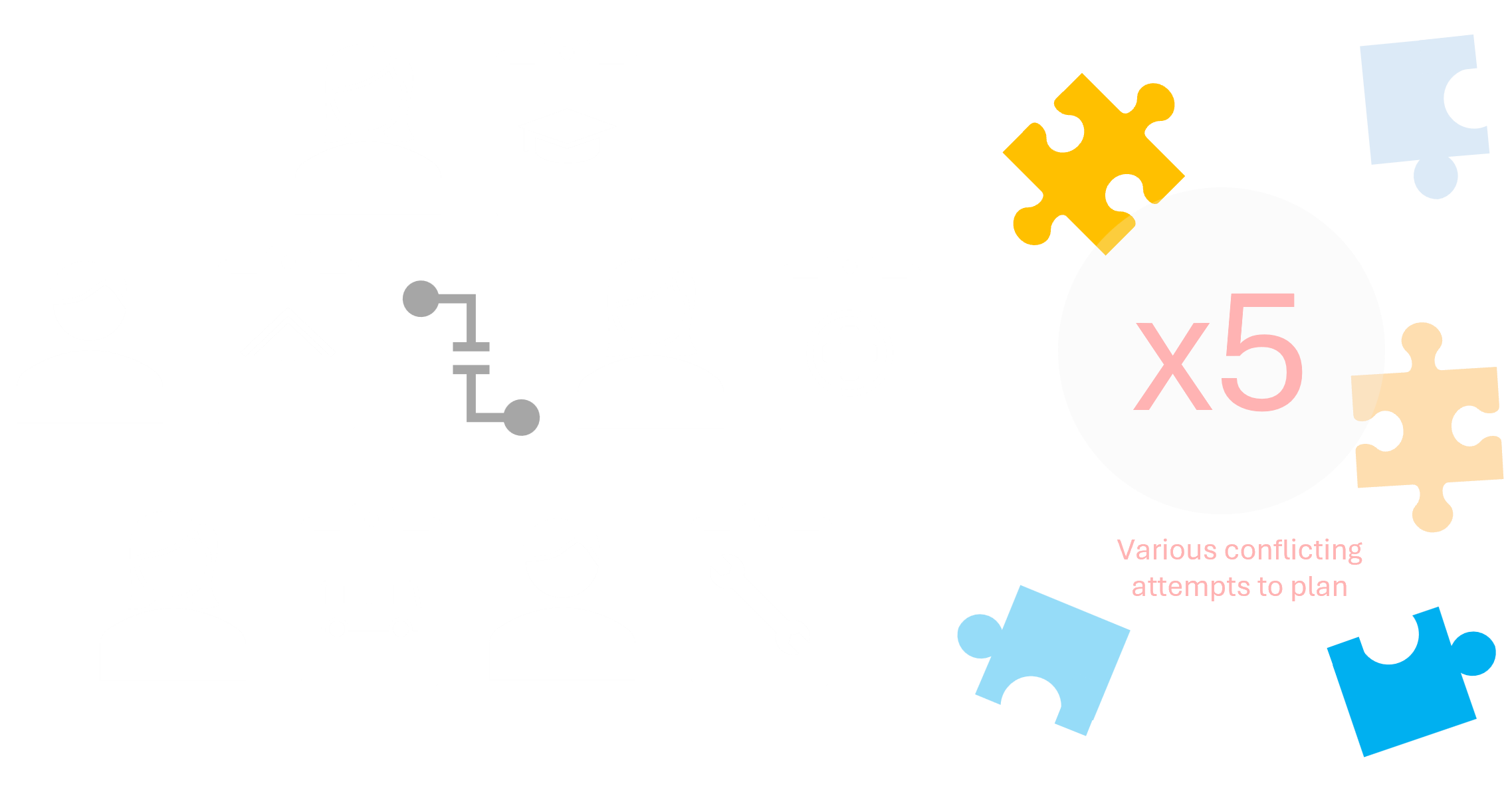
Planning in Pieces
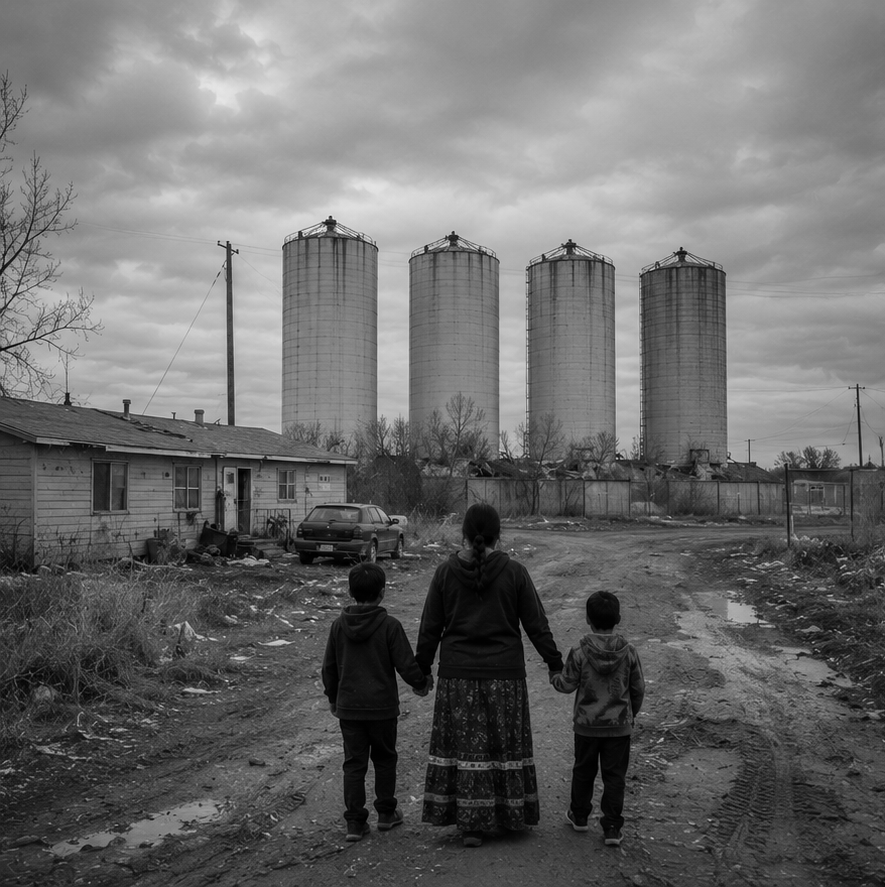
It is Friday afternoon. A grant deadline is approaching. You may still be looking for key data—but even when data exists, the deeper challenge is often that planning is happening in isolation.
For example, a housing plan may be developed without meaningful input from transit providers, broadband partners, behavioral health systems, or education programs. An education initiative may move forward without coordination with recreation programs, youth services like Boys & Girls Clubs, transportation systems, or digital access partners.
This creates plans that are internally reasonable—but externally incomplete. Communities end up designing solutions for housing, education, health, and infrastructure without the full network of supporting systems that determine whether those solutions will actually work.
The Result
- Programs operate independently, leading to duplicated or conflicting program design
- Community members feel the burden of limited resources used inefficiently
- Planning becomes reactive and constrained by silos
- Key partners are excluded and opportunities for coordination are missed
- Investments in infrastructure and community assets are disconnected
Planning in Alignment
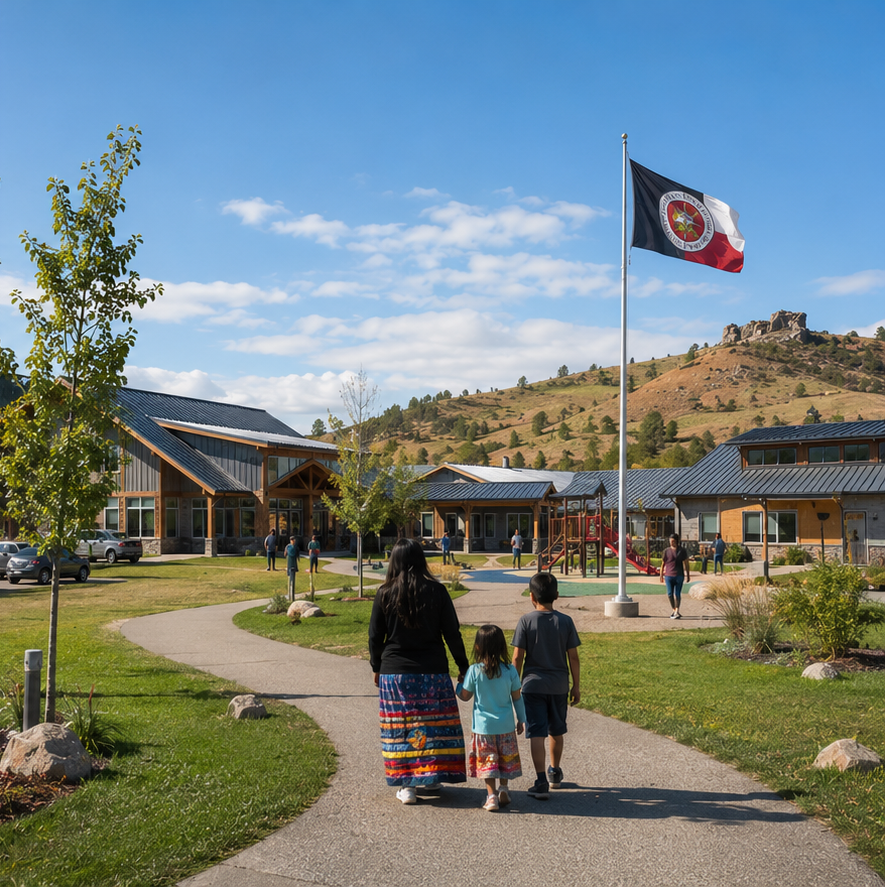
Imagine planning where housing, transportation, health, education, infrastructure, and community services are not separate conversations—but part of the same coordinated system.
For example, if a community is developing a housing strategy to better serve veterans, transit providers and VA or veteran service partners are at the table from the beginning to ensure access to vital resources. Behavioral health and healthcare providers help design supportive services. Cultural and community-based programs align to ensure veterans and their families are supported holistically.
As collaboration strengthens, programmatic silos begin to collapse into a connected, adaptive network—where efforts are mutually reinforcing and better able to respond to evolving community needs and opportunities.
The Benefit
- Programs are designed with shared visibility and coordination
- Meaningfull engagement and inclusion of partners early on
- Improved service coordination for community members
- Programmatic and investment alignment rather than duplication, conflict and inefficiency
- Decisions reflect the full ecosystem of community needs and support long-term sustainability
How Planning Capacity Gets Built
Planning capacity is built intentionally through relationships, information, and practical systems that support long-term action. In this simplified model, leaders, programs, community members, and partners meet regularly, share what they are doing, identify where efforts overlap and opportunities to collaborate, and build a shared understanding of how each planned activity contributes to the larger whole.
Understand
We work with you to understand existing systems, strengths, and planning barriers.
Connect
We identify the information, departments, and voices needed for effective planning.
Build
Together we create practical planning tools and systems that support coordination.
Implement
Planning should lead to action. We help move priorities into implementation.